

Unveiling the Truth Behind Ceramic Coatings: Is Your Vehicle Truly Protected?
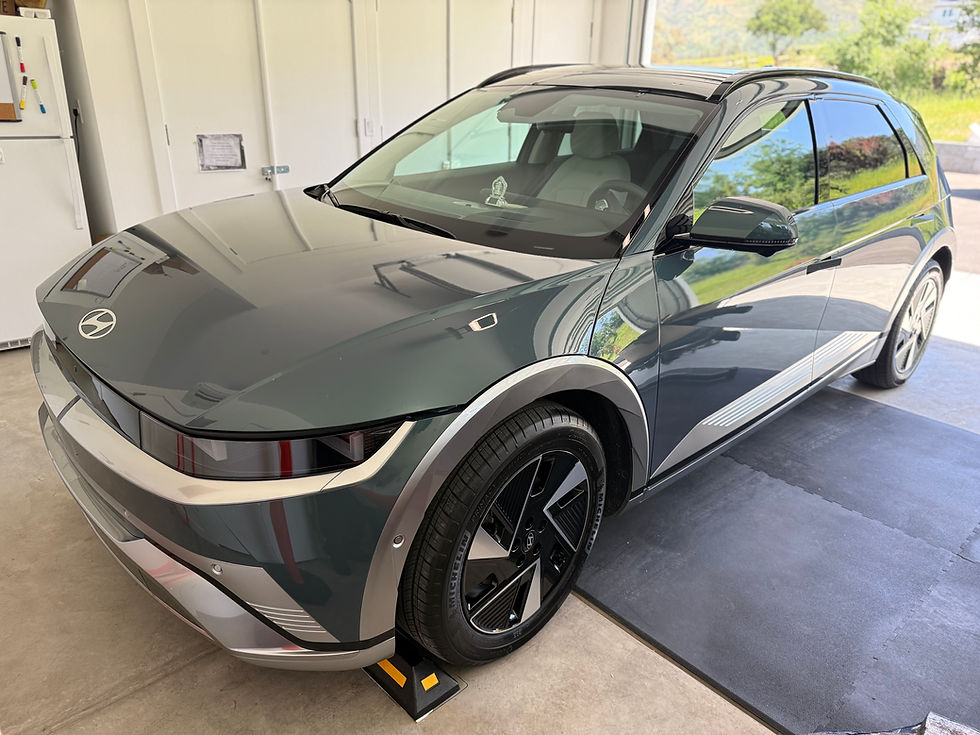
Front view of Hyundai Kona after 5-year Coating Front view of Hyundai Kona after 5-year Coating Front view of Hyundai Kona after 5-year Coating Front view of Hyundai Kona after 5-year Coating
A customer from Napa, California, recently brought their new Hyundai Kona to us for an Express Detailing package. They shared that they had paid $1,000 for a ceramic coating on their vehicle. After washing and performing a clay bar treatment, we noticed something unusual: the surface showed no water beading or sheeting, which are clear signs of an effective ceramic coating. This discovery sparked a deeper conversation about the quality and authenticity of ceramic coatings and how to properly protect a vehicle’s finish.
What Ceramic Coatings Are Supposed to Do
Ceramic coatings are designed to provide a durable, protective layer on a vehicle’s paint. They create a hydrophobic surface that repels water, dirt, and contaminants. This water repellency is often visible as water beading or sheeting when the car is wet. The coating also adds a glossy finish and helps resist minor scratches and chemical stains.
When a ceramic coating is applied correctly and is of good quality, you should notice:
Water beading: Water forms small, round droplets that easily roll off the surface.
Water sheeting: Water spreads evenly and slides off quickly, leaving the surface dry.
Enhanced gloss: The paint looks deeper and shinier.
Ease of cleaning: Dirt and grime do not stick as easily.
If these effects are missing, it raises questions about the coating’s authenticity or application quality.
Signs Your Ceramic Coating May Not Be Genuine
In the case of the Hyundai Kona, the absence of water beading or sheeting was a red flag. Here are some common signs that a ceramic coating might not be genuine or properly applied:
No water repellency: Water sits flat or spreads unevenly instead of beading or sheeting.
Dull or uneven finish: The paint lacks the expected gloss or has inconsistent shine.
Quick wear: The coating wears off or loses effectiveness within a few months.
Sticky or rough texture: The surface feels tacky or uneven to the touch.
No resistance to contaminants: Bird droppings, tree sap, or road grime stain the paint easily.
If you notice any of these signs, it’s worth investigating further or consulting a professional detailer.
Why Some Ceramic Coatings Fail to Deliver
Several factors can cause a ceramic coating to fail or underperform:
Poor quality products: Not all ceramic coatings are created equal. Some low-cost products do not contain the necessary ingredients to form a durable protective layer.
Improper surface preparation: The paint must be thoroughly cleaned, polished, and free of contaminants before applying the coating. Skipping or rushing this step reduces effectiveness.
Incorrect application: Applying the coating in unsuitable conditions (too hot, too cold, or humid) or using the wrong technique can prevent proper bonding.
Lack of curing time: Ceramic coatings need time to cure and bond with the paint. Washing or exposing the vehicle to water too soon can ruin the coating.
Misleading marketing: Some providers may exaggerate the benefits or sell products that are not true ceramic coatings.
Understanding these factors helps vehicle owners make informed decisions and avoid wasting money.
How to Verify Your Ceramic Coating’s Effectiveness
You can perform simple tests to check if your ceramic coating is working as expected:
Water test: Spray water on the surface and observe if it beads or sheets off quickly.
Touch test: Run your hand over the paint to feel for smoothness and slickness.
Visual inspection: Look for a glossy, even finish without dull spots.
Contaminant resistance: Check if dirt or bird droppings wipe off easily without staining.
If your vehicle fails these tests, consider consulting a professional detailer for an evaluation.
Protecting Your Vehicle’s Finish Beyond Ceramic Coatings
Ceramic coatings offer excellent protection but are not the only option. To keep your vehicle looking its best, consider these additional steps:
Regular washing: Use pH-neutral car shampoo and avoid harsh chemicals.
Clay bar treatment: Removes embedded contaminants that washing can’t eliminate.
Paint correction: Polishing to remove swirl marks and scratches before coating.
Wax or sealants: These can provide temporary protection and enhance shine.
Professional detailing: Experts can assess your vehicle’s condition and recommend the best protection plan.
Combining these steps with a quality ceramic coating ensures long-lasting protection.
What to Do If Your Ceramic Coating Isn’t Working
If you suspect your ceramic coating is not genuine or has failed:
Contact the installer: Ask about the product used and their application process.
Request a demonstration: A professional detailer can show you how a proper coating behaves.
Consider reapplication: After proper surface preparation, a new, high-quality ceramic coating can restore protection.
Research providers: Choose reputable detailers with verified products and positive reviews.
Educate yourself: Learn about different coatings and their benefits before investing.
Taking these steps helps protect your investment and your vehicle’s appearance.
Maintaining a meticulous appearance with our paint correction expertise and protecting it with paint protection films (PPF) and coatings can put money back in your wallet! If you’re in Napa and the surrounding San Francisco Bay Area, call us at 707-681-5944, email info@robustd.com, or book our services immediately.


Comments